


Loro Piana Guide: History, What to Buy & Pre-Owned
Loro Piana is the world’s pre-eminent fabric house — an Italian maker, founded in 1924, that sources the rarest fibres in luxury, from vicuña and baby cashmere to record-fine wool and lotus flower. It sells understatement, not logos, which is why it holds its value and why authenticated pre-owned Loro Piana is the smartest way to own it. This guide covers the history, what to buy, what it costs pre-owned, and how to spot a fake — written from our authentication desk.
At Sanpetuna, Loro Piana is one of the houses we handle most — from a sub-€150 pair of suede shoes to a five-figure vicuña coat. So this isn’t a summary of the brand’s
website; it’s what we’ve learned holding the clothes.
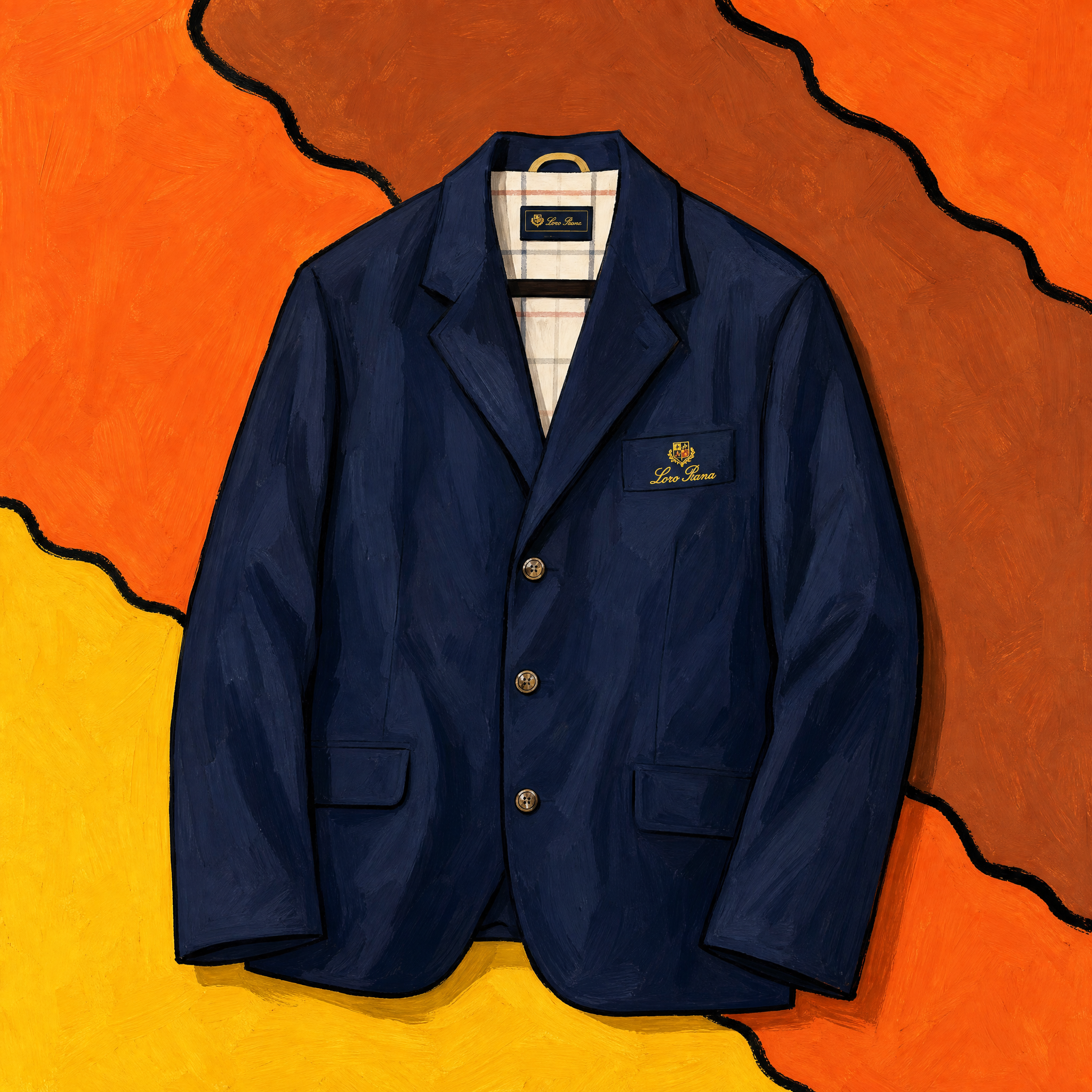
Loro Piana's History & heritage
The Loro Piana family began trading wool in Italy in the early 1800s. In 1924, Pietro Loro
Piana formally founded the company in Quarona, in the Piedmont region — still
the heart of the business today, with headquarters in Milan.
Under later generations — most notably the brothers Sergio and Pier Luigi Loro Piana — the house grew from a fabric supplier to the world’s leading name in luxury textiles. It did something rare: it went to the source. Loro Piana secured access to vicuña in the Andes (and supported the conservation of the once-endangered wild animal), created the “Record Bale” and “Gift of Kings”
awards to capture the world’s finest wool, and pioneered fabrics like lotus
flower. It opened its first retail store in Milan in 1998.
In 2013, the LVMH group acquired a majority (around 80%) stake, and in 2025 Frédéric Arnault became CEO. Through every chapter, the identity has held: the finest fibres in the world, turned into quiet, logo-free clothing.


Vendor: Loro Piana
Loro Piana Gift of Kings Sidney Coat Charcoal (L)


Vendor: Loro Piana
Loro Piana Gift of Kings Car Coat Navy (L)


Vendor: Loro Piana
Loro Piana Vicuna Blend Puffer Jacket Grey Melange (XL)


Vendor: Loro Piana
Loro Piana Lotus Flower Double-Breasted Jacket Beige (EU 54)


Vendor: Loro Piana
Loro Piana Shearling Jacket Brown (M)


Vendor: Loro Piana
Loro Piana Roadster Villa D'Este Jacket Navy (XXL)


Vendor: Loro Piana
Loro Piana The Gift Of Kings® Fortrose Jacket Navy


Vendor: Loro Piana
Loro Piana Vicuña Silk Simeon Reversible Vest Navy (EU 50)

Why Loro Piana is so expensive and is it worth it?
Because it controls materials almost nobody else can get, and mills them itself. Three things drive the price:
The rarest raw materials
Baby cashmere is combed just once from Hircus goat kids aged roughly three to twelve months — only about 30–70 grams per kid, so it takes the fleece of some 19–20 kids for a single sweater. Vicuña comes from a wild Andean animal that can be shorn only about every three years. These are materials you cannot scale.
Vertical milling in Italy
Loro Piana spins, weaves and finishes its own cloth. That control over the fibre produces a hand, weight and drape competitors can’t replicate, because they don’t own the mill.
Understatement, not logos
Loro Piana sells quiet luxury — value you feel rather than display. That’s why the pieces never date, and why they hold value pre-owned.
What to buy (and what to look for)
The pieces that define the brand and earn their place in a wardrobe — each links to its
category in our collection:
The Open Walk & Summer Walk.
The soft unlined suede shoes that became the quiet-luxury icon. Look for supple suede
and a clean heel logo. The most accessible way in.
Cashmere knitwear.
Crew necks, polos and zip-ups with the unmistakable dry, dense hand. Check for pilling and elbow wear.
Storm System outerwear (Windmate, Voyager).
Fine wool/cashmere made weatherproof without bulk — the most wearable luxury they
make.
Baby-cashmere & vicuña coats (the Icer, Spagna).
The grails — featherweight warmth, the highest value, the most worth
authenticating.
Scarves & the cashmere baseball cap.
Small, gift-able entry points with the full Loro Piana hand.
Real vs fake: how to spot an authentic piece
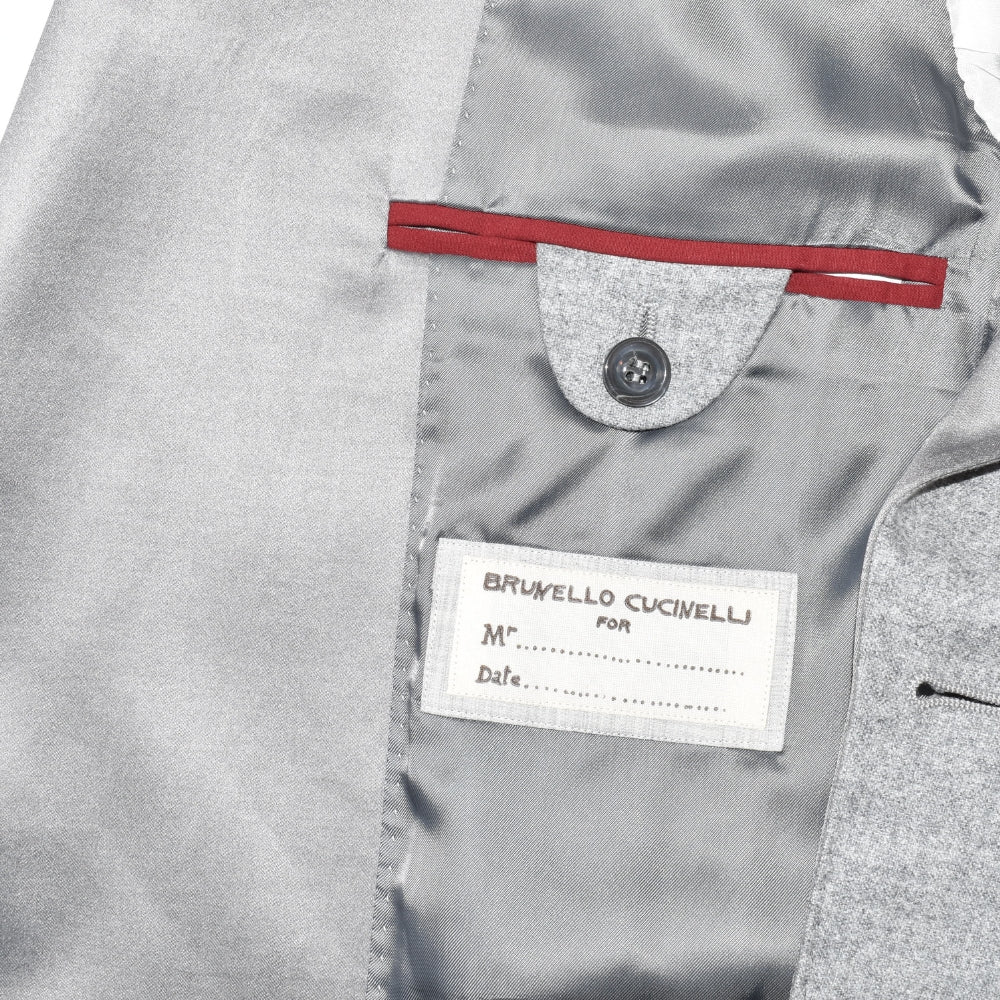
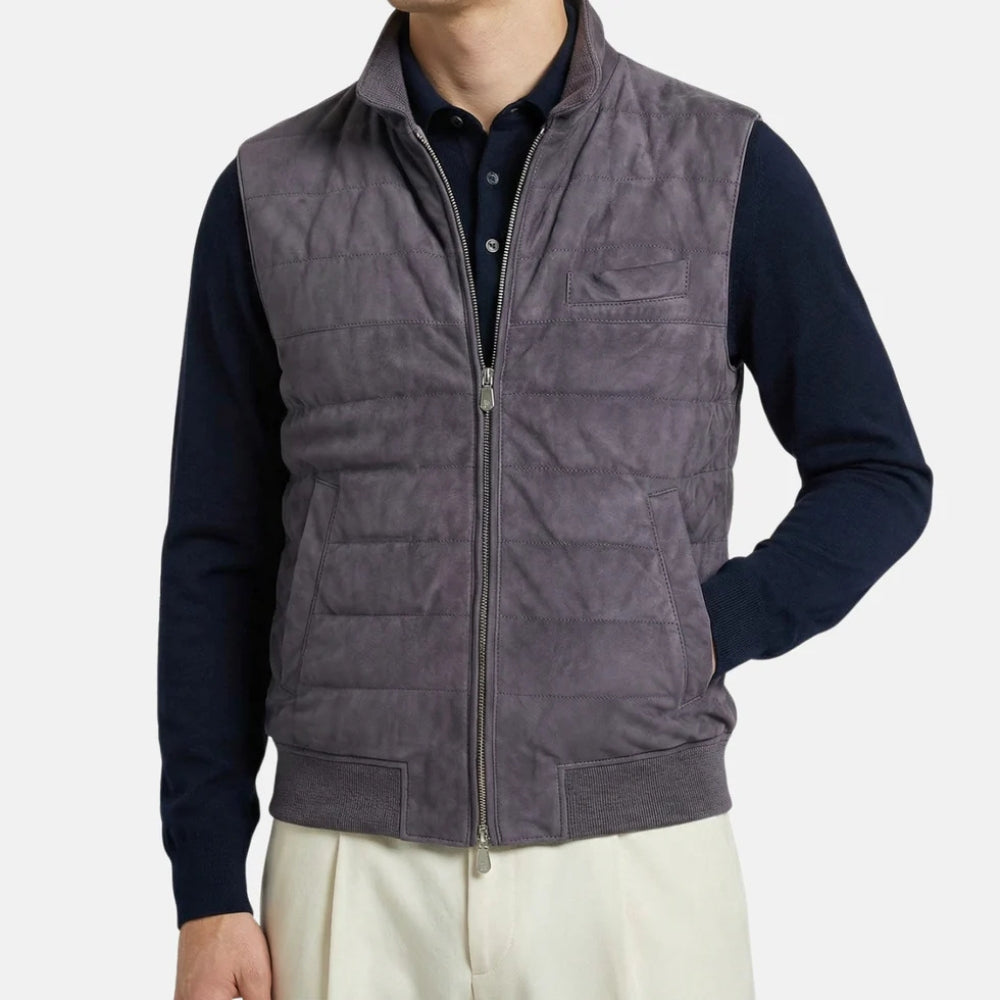
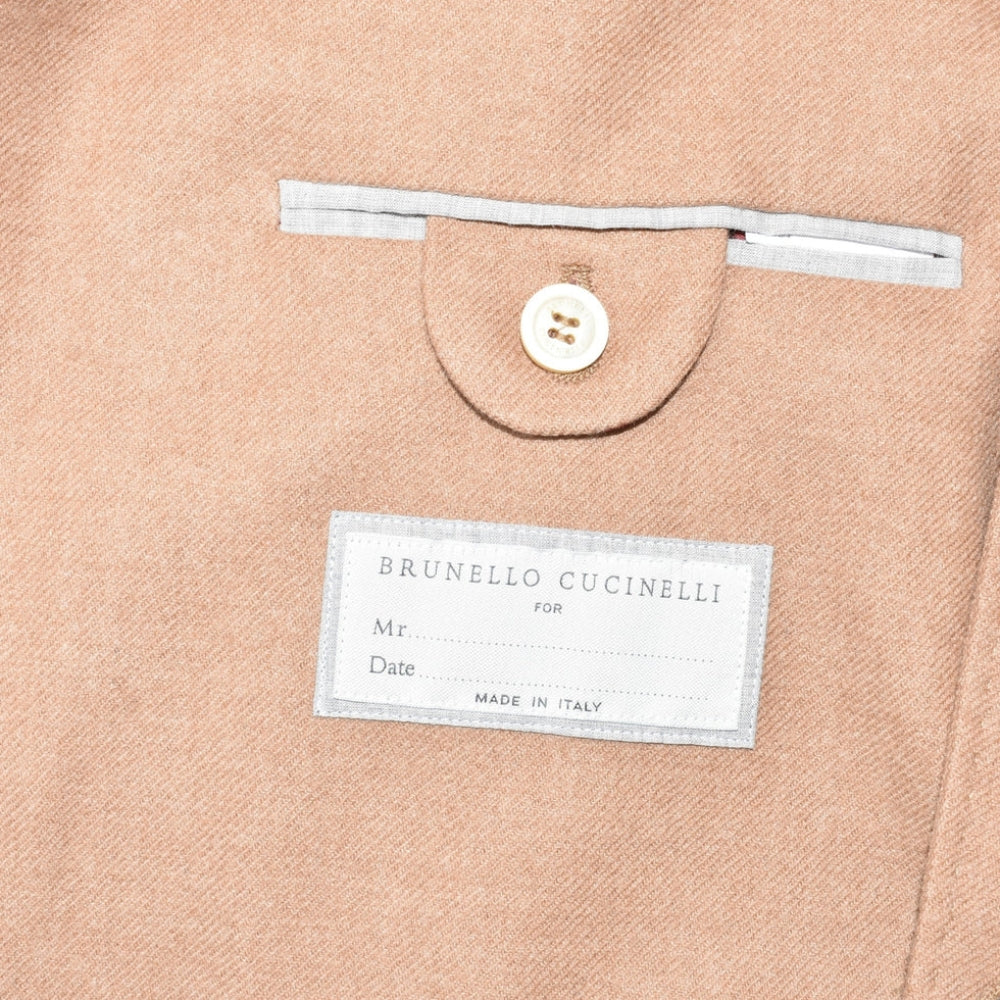
Counterfeiters copy the logo; they miss the construction. The most-faked pieces are the cheapest to copy — scarves, caps and the Open/Summer Walk — while outerwear and tailoring are far harder to fake. Quick checks: the fabric hand (dry, dense, never glassy), the engraved “Loro Piana” hardware, the serial-numbered metal tag on recent pieces, the suede trims, and clean interior construction. On the shoes, check the heel logo, outsole and interior tag.
Does it hold value / is it worth it?
Better than almost any menswear brand. Scarce materials, timeless logo-free design and growing quiet-luxury demand keep resale prices firm. Vicuña and baby-cashmere outerwear hold the most; the Open/Summer Walk and cashmere knitwear stay liquid. Bought authenticated pre-owned, Loro Piana is often both better value and a sounder hold than buying new

Caring for your Loro Piana
Hand-wash cashmere cool, never wring, dry flat, de-pill gently, and store folded with cedar; brush and protect the suede on your Open/Summer Walk and rotate wear. Treated properly, these pieces soften and improve for years.
Selling or consigning your Loro Piana
If you have Loro Piana you no longer wear, consignment is the discreet way to realise its value: we authenticate, photograph, price, list and ship, and you’re paid once it sells. Vicuña and baby-cashmere outerwear command the most, but the Open Walk and knitwear move quickly too.
Frequently Asked Questions
Who owns Loro Piana?
Loro Piana has been majority-owned by the LVMH group since 2013, while run as its own Maison. Frédéric Arnault became CEO in 2025.
Where is Loro Piana made?
In Italy — founded in Quarona, Piedmont, in 1924 and headquartered in Milan. It mills its own cloth from fibres sourced worldwide.
Why is Loro Piana so expensive?
It uses the rarest natural fibres — baby cashmere combed once from goat kids, vicuña shorn from wild animals only every few years — and mills its own cloth. You pay for scarce materials and craftsmanship, not logos.
How much does Loro Piana cost pre-owned?
Roughly €90–€500 for shoes, scarves and caps; €500–€1,700 for cashmere blazers and knitwear; €1,700–€5,500 for Storm System and Gift of Kings outerwear; and about €6,000–€18,000 for baby-cashmere and vicuña coats — typically 40–70% below retail.
How can I tell if Loro Piana is real?
Check the fabric hand, the engraved hardware, the serial-numbered metal tag on recent pieces, and the interior construction. Scarves, caps and the Open Walk are the most-faked, so scrutinise the cloth and the shoe’s heel logo, outsole and tag.
Is Loro Piana worth it?
For lovers of material quality and understatement, yes — and authenticated pre-owned is especially good value, since the cloth and construction are identical at a fraction of retail.