


The Complete Guide to Pre-Owned Zegna: Suits, Oasi Cashmere, Triple Stitch & How to Shop Smart
Zegna occupies a unique position in luxury menswear. It is simultaneously one of the oldest names in the business and one of the most forward-looking. While other luxury houses buy their fabrics from suppliers, Zegna has been making its own since 1910 — weaving wool, cashmere, and silk in the same Alpine mill where an eighteen-year-old Ermenegildo Zegna set out to produce the most beautiful fabrics in the world.
That mill still operates today. The brand still controls its supply chain from raw fibre to finished garment. And the result is clothing that feels fundamentally different from anything else in its category — because it is.
The catch? Retail prices reflect all of that vertical integration. A Zegna suit costs anywhere from €2,200 to €4,500. An Oasi Cashmere overshirt runs €1,200–€1,800. A pair of Triple Stitch sneakers will set you back €550–€900 depending on material. These are not casual purchases.
This is where pre-owned Zegna becomes genuinely interesting. You get the same obsessive fabric quality, the same Italian construction, and the same understated design at a fraction of the retail price — often 40–65% below what you’d pay new. That transforms Zegna from aspirational to accessible.
This guide covers everything you need to know about buying pre-owned Zegna.
Why Zegna Is Different from Every Other Luxury Menswear Brand
Walk into any high-end tailor or luxury department store, and you’ll find Zegna fabric everywhere — not just in Zegna garments, but in suits and jackets from other brands entirely. Tom Ford has historically used Zegna fabrics. So have numerous Savile Row tailors and independent sartorial houses worldwide.
This is because Zegna is, at its core, a fabric manufacturer. The brand doesn’t simply design clothes and source materials from third parties. It produces the raw materials themselves. The Lanificio Zegna — the wool mill in Trivero, in Italy’s Biellese Alps — has been weaving since 1910. Over a century of continuous textile production, refined generation after generation.
By controlling its own supply chain, Zegna can do things that competitors cannot. The brand specifies exact fibre micron counts. It sources wool directly from Australia, cashmere from Mongolia, silk from the finest producers globally — and has done so since the 1920s. It develops proprietary fabric technologies that no other house can replicate. And it ensures a level of consistency that is simply impossible when you’re relying on outside suppliers.
This is why a Zegna suit drapes differently. It’s not just “really good wool.” It’s wool that has been graded, cleaned, carded, spun, and woven with obsessive precision in a facility that has been perfecting this exact process for over 110 years. The hand-feel is distinctive — rich, fluid, and impossibly smooth. You can feel the difference in seconds.
And it’s why the brand’s most loyal customers are often people who deeply care about fabric quality. Not logos. Not hype. Fabric.


Vendor: Zegna
Zegna Wool Cashmere Silk Bomber Jacket Deep Purple (EU 48)


Vendor: Zegna
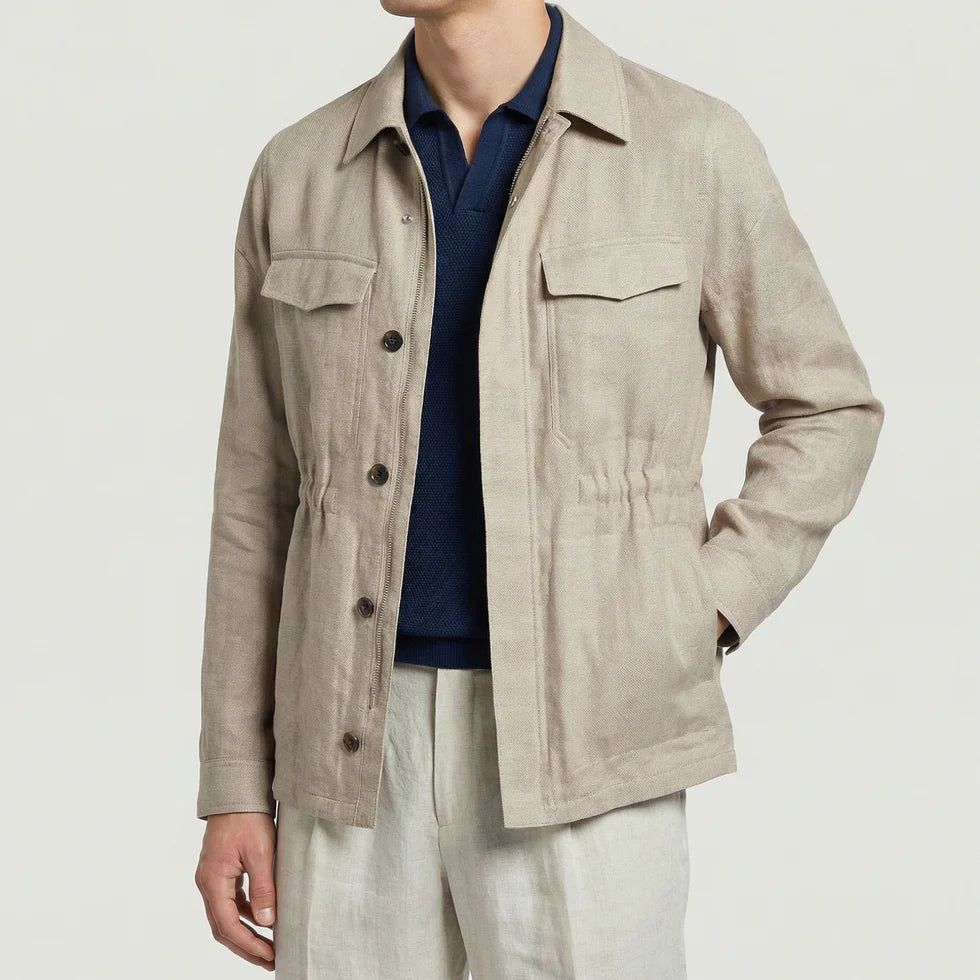
Zegna Oasi Cashmere Elements Overshirt Jacket Brown (EU 48)


Vendor: Zegna
Zegna Wool Silk Reversible Bomber Jacket Navy (EU 48)


Vendor: Zegna
Green Blazer made of Silk (EU 50)


Vendor: Zegna
Navy Blazer made of Wool (EU 50)


Vendor: Zegna
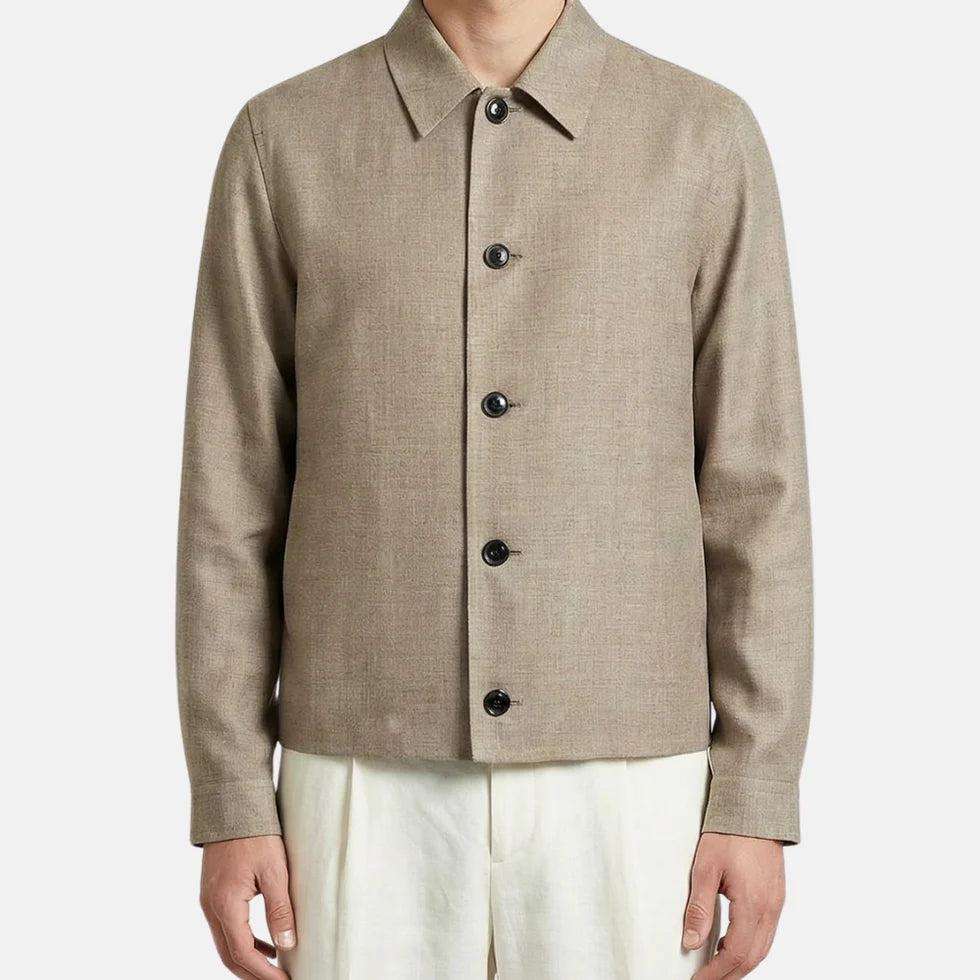
Zegna 15-mil-15 Merino Il Conte Jacket Beige (EU 48)


Vendor: Zegna
Zegna Cashmere Jersey Overcoat Navy (EU 48)


Vendor: Zegna
Ecru Melange 15MilMil15 Jogger Flannel Pants (EU 48)

From a Wool Mill in Trivero to a Global Luxury Maison: The Zegna Story
Zegna didn’t start as a fashion house. It started as a textile company.
In 1910, at the age of just eighteen, Ermenegildo Zegna founded Lanificio Zegna — a wool weaving mill in Trivero, a small town in the Alpine foothills of northern Italy. His father Angelo had run a small textile business, but Ermenegildo had ambitions far beyond the local market. Fresh from graduating the Professional School of Biella as a textile expert, he invested in state-of-the-art English spinning machines and set out to produce fabrics that could compete with the best in the world.
By the 1920s, he was sourcing wool directly from Australia, South Africa, and Mongolia — an extraordinary commitment to raw material quality at a time when most Italian mills relied on whatever they could source locally. By the 1930s, the Trivero mill employed over a thousand people and was producing fine suit fabrics that were gaining international recognition. In 1938, Zegna exported fabrics to the United States for the first time.
After the war, the company — now known as Lanificio Ermenegildo Zegna & Figli — was supplying customers in forty countries. The reputation was cemented: Zegna meant the finest fabrics available.
The transition from fabric supplier to full luxury house happened gradually. The brand launched its own ready-to-wear collections, then expanded into accessories, footwear, and eventually a complete menswear wardrobe. But the DNA never changed. Everything Zegna produces starts with the fabric.
Under artistic director Alessandro Sartori, appointed in 2016, the brand has undergone a significant creative evolution. Sartori introduced a more relaxed, contemporary sensibility while maintaining the brand’s absolute commitment to material excellence. The Triple Stitch sneaker, the Oasi Cashmere collection, the softer tailoring silhouettes — all of these represent a modern Zegna that respects its heritage without being trapped by it.
Today, Zegna is publicly listed and operates globally, but remains connected to its founding principles. The Trivero mill still weaves. The Oasi Zegna — a 100 km² natural territory in the Biellese Alps that Ermenegildo himself began cultivating — still serves as both the brand’s environmental commitment and a living connection to its origins.
Six generations of the Zegna family have guided this company. That kind of continuity is almost unheard of in luxury.
What Sets Zegna Apart
1. Complete Vertical Integration
Zegna owns or controls its entire supply chain — from the raw fibre sources to the mills that process yarn and cloth, to the finishing facilities, to the workshops that cut and sew garments. This level of integration is extraordinarily rare and extraordinarily expensive.
Most luxury brands outsource at least some of these functions. Zegna doesn’t. The brand can specify, control, and verify quality at every single stage. And that shows in the finished product.
The Oasi Zegna project is the most visible expression of this philosophy. It’s not a marketing exercise — it’s a 100 km² natural territory where the brand’s commitment to sustainability, biodiversity, and raw material traceability is lived every day.
2. Fabric Innovation Across a Century
Zegna doesn’t just make excellent fabrics. It makes fabrics that push boundaries. The brand works with Super 150s, 160s, and even higher wool counts. It has developed proprietary cashmere blends, technical fabrics for travel and sport, and the Oasi Cashmere line with full supply chain traceability via QR codes on every garment.
This isn’t innovation for its own sake. Every fabric development at Zegna serves the same goal: making clothing that feels better, drapes better, and lasts longer than anything else available.
3. The Balance Between Heritage and Modernity
Under Alessandro Sartori, Zegna has achieved something rare: evolving the brand dramatically without losing what made it special. The tailoring is softer. The sneakers are luxurious. The knitwear is relaxed. But the fabric obsession remains absolute.
A Zegna suit from 2016 and a Zegna suit from 2026 look different — but they feel the same. That’s because the materials haven’t changed. Only the silhouette has.
The Best Pre-Owned Zegna Pieces to Buy
Not all Zegna items hold value equally. Here’s what’s worth seeking out in the pre-owned market:
Suits and Tailoring (best value, best quality retention)
A Zegna suit is the heart of the brand. Whether it’s a sharply constructed two-piece in Super 150s wool or a softer, deconstructed silhouette from the Sartori era, the construction is engineered to drape, move, and age beautifully. The fabrics — woven in-house — have a hand-feel that’s unmistakable.
Pre-owned Zegna suits typically retain strong value because the construction is built to last far beyond a single season. A suit that retailed at €2,500 might realistically cost €900–€1,500 pre-owned in excellent condition. For a fully canvassed suit in Zegna’s own fabric, that is exceptional value.
These are worth seeking out because:
- A Zegna suit from five years ago looks contemporary. The silhouettes are classic enough to transcend seasonal trends.
- The fabrics age beautifully. Unlike fast-fashion tailoring that pills and loses shape, Zegna construction holds.
- Condition is obvious. You can immediately assess whether a suit has been well-maintained.
Oasi Cashmere Knitwear
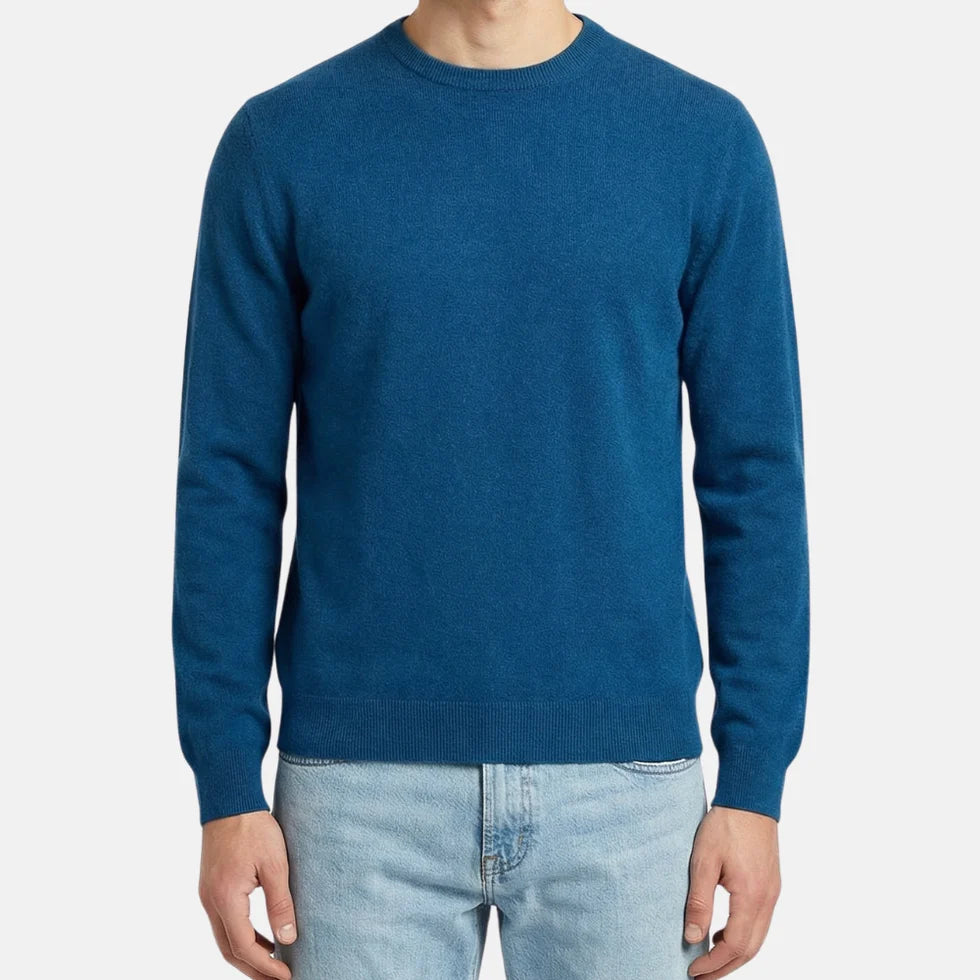
Zegna’s Oasi Cashmere line represents the pinnacle of traceable luxury knitwear. Every piece carries a QR code that traces the cashmere from farm to finished garment — a level of transparency that remains rare in the industry. Crew necks, half-zips, overshirts, and lightweight knitted jackets, all rendered in cashmere so fine it feels almost weightless.
These are the pieces that quietly become the most-worn items in your wardrobe. Pre-owned Oasi Cashmere holds value well because the quality is immediately apparent — and because demand for traceable luxury knitwear keeps growing.
Outerwear
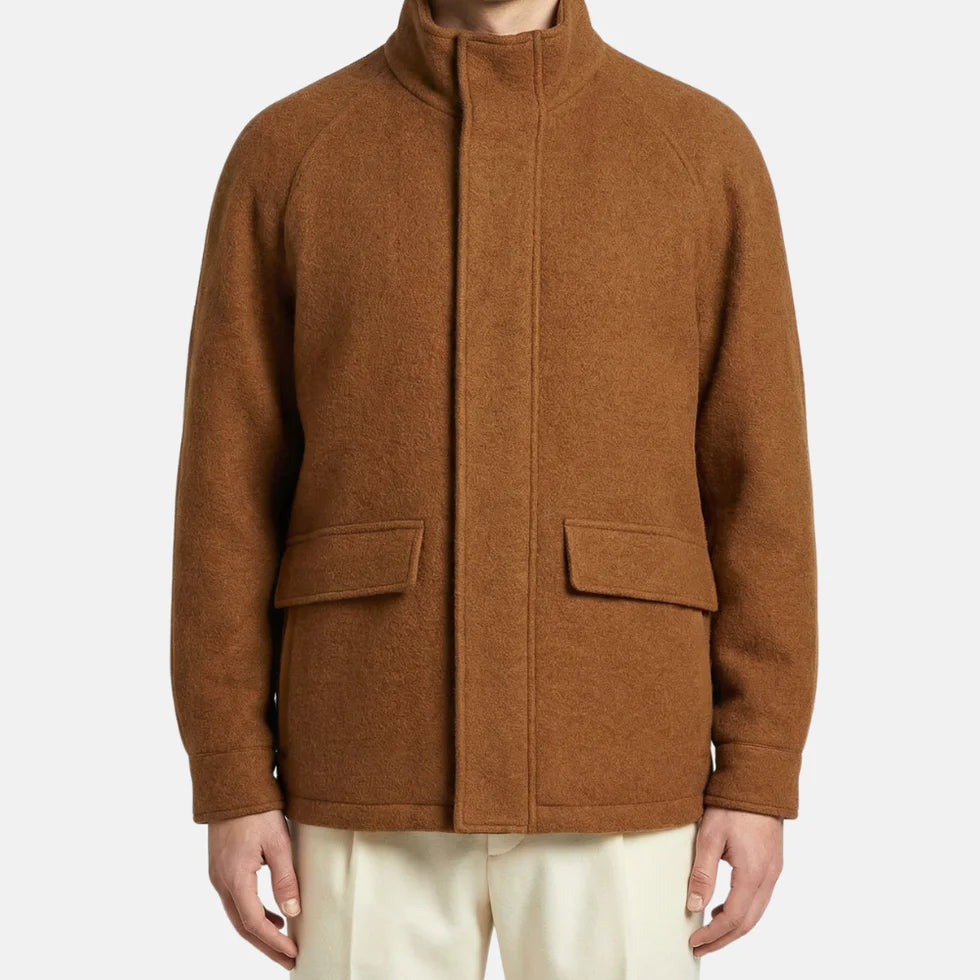
From structured overcoats in double-face cashmere to technical field jackets and quilted down pieces, Zegna’s outerwear bridges the gap between city dressing and active life. The Oasi Cashmere Elements Jacket is a standout — a piece that moves effortlessly between a boardroom and a weekend drive.
Pre-owned Zegna outerwear represents perhaps the single best value proposition in the category. These are investment pieces designed with longevity in mind, and they show it. An overcoat that retailed at €3,500 might be available pre-owned for €1,400–€2,200.
Triple Stitch Sneakers
If one product defined Zegna’s modern transformation, it’s the Triple Stitch. This slip-on sneaker — with its signature crossed elastic straps — has become a symbol of relaxed Italian luxury. Rendered in suede, leather, and now Oasi Cashmere, it sits at the intersection of elegance and ease.
Pre-owned Triple Stitch sneakers in good condition are consistently popular. They hold value well because demand is high and the design hasn’t changed fundamentally since launch. A pair that retailed at €650 might cost €300–€450 pre-owned.
Trousers and Accessories
Zegna’s trousers — from tailored flannels to relaxed jogger-style pants in technical fabrics — are quietly some of the best in menswear. The same applies to belts, scarves, ties, and small leather goods: understated, impeccably made, and designed to complement rather than compete.
These pieces are often overlooked in the pre-owned market, making them potential bargains.
Items to approach cautiously:
Very large or very small sizes see reduced demand. EU 48 and EU 50 move fastest; EU 56 and larger move more slowly. Heavily trendy colours from specific seasons hold value less robustly than classic neutrals (navy, charcoal, camel, grey). Casual seasonal items like lightweight linen shirts have less consistent resale demand.

How to Authenticate Pre-Owned Zegna
The pre-owned luxury market attracts counterfeiters, and Zegna’s prestige makes it a target. Here’s how to verify authenticity:
Inner labels and traceability
Authentic Zegna garments include carefully woven or printed labels with specific details: fabric composition, sizing, production codes. Recent pieces — especially from the Oasi Cashmere line — include QR codes that link to the brand’s traceability system.
Check these labels closely. An authentic label will be cleanly woven or printed, clearly legible, and consistently formatted. A counterfeit label might be blurry, poorly aligned, or use incorrect typography.
Fabric hand-feel
Run a piece of Zegna wool or cashmere through your hands. The feel is distinctive — refined but not limp, with a subtle resilience and weight. It doesn’t feel like ordinary luxury; it feels like something more considered.
This is difficult to counterfeit convincingly. While a counterfeiter might find fabric that’s 85% as nice, that final difference is noticeable to anyone who has handled genuine Zegna.
Stitching and construction quality
Zegna uses consistent, expert stitching throughout. Seams are straight and even. Buttonholes are perfectly formed. Hems are finished neatly without puckering.
Look particularly at:
- The shoulder seam where the sleeve meets the body (should be perfectly aligned)
- Buttonholes (should be precise with reinforced edges)
- The collar construction (should be symmetrical and structured)
- Interior finishing (should be as clean as the exterior)
Counterfeiters often focus on what’s visible and shortcut interior work. A genuine Zegna piece has impeccable construction throughout.
Price reality check
Zegna pre-owned pricing is well-documented. If you find a “pre-owned Zegna suit” for €150, it’s almost certainly counterfeit. Authentic Zegna pieces rarely fall below 35–40% of original retail in the pre-owned market unless significantly damaged.
Research comparable pieces on reputable platforms. If a price is dramatically below market rate, investigate further before committing.
Outlet vs. Pre-Owned: What’s the Difference?
It’s worth understanding the distinction.
A traditional Zegna outlet stocks end-of-season pieces — current designs from past collections, typically discounted 20–40%. These are legitimate Zegna garments from the brand’s own inventory. However, outlet availability is limited by geography and season.
Pre-owned, on the other hand, spans multiple seasons and often includes pieces that are no longer available anywhere else — discontinued fabrics, limited runs, archive silhouettes. Pre-owned discounts are often deeper than outlet, typically 40–65% below original retail.
At Sanpetuna, our selection includes both: outlet-level pricing on newer inventory from retail partners, and carefully curated pre-owned pieces from private consignors. Every item is authenticated, inspected for quality, and photographed in detail. What you see is what you get — and what you get is Zegna, as it was meant to be worn.
Frequently Asked Questions
How does Zegna fabric compare to other luxury menswear brands?
Zegna’s advantage is that it manufactures its own fabrics. Most luxury menswear brands — even very expensive ones — buy their fabrics from suppliers. Zegna is the supplier. The result is a level of control over texture, weight, drape, and durability that’s virtually impossible to match. If you’ve worn a Zegna suit and then try a competitor at the same price point, the fabric difference is immediately apparent.
Is the Triple Stitch sneaker worth buying pre-owned?
Yes. The Triple Stitch is one of the most successful luxury sneakers of the past decade, and its design has remained remarkably consistent. A pre-owned pair in good condition is functionally identical to a new pair — the leather and suede actually improve slightly with wear. At 40–50% below retail, it’s an excellent entry point to the brand.
How long does a Zegna suit last with proper care?
A decade or more, easily. Zegna’s in-house fabrics and full-canvas construction are designed for longevity. With proper dry cleaning (not frequent — only when needed), appropriate hanging, and seasonal rotation, a Zegna suit maintains its shape, colour, and drape for years. You’re not looking at a piece that requires replacement after two seasons.
What size should I buy in Zegna?
Zegna uses traditional European sizing: EU 46, 48, 50, 52, 54, 56. The brand’s cuts under Alessandro Sartori tend toward a slightly relaxed, contemporary fit — not tight, not boxy. If you normally wear a 50 in Italian brands, a 50 will likely work. For knitwear and casual pieces, some customers size down for a closer fit. Buy from retailers with flexible return policies to ensure fit when buying pre-owned.
Is pre-owned Zegna better value than buying new?
For most people, yes. A Zegna jacket from 2022 in excellent condition is functionally identical to one bought new in 2026 — the fabric hasn’t degraded, the tailoring hasn’t changed. You’re saving a significant amount without sacrificing quality. The only exception might be if you want the very latest seasonal colour or design, in which case retail is the only option.
Does Zegna ever have sales or outlet pieces?
Zegna occasionally has end-of-season sales at boutiques, typically 20–30% off. The brand operates some outlet locations, but availability varies by region. Past-season pieces also appear on authorised resale platforms at deeper discounts. Pre-owned remains the most consistent way to access Zegna below retail across the full range of categories and seasons.
Starting Your Pre-Owned Zegna Collection
Zegna represents over a century of unbroken commitment to fabric excellence. The brand doesn’t chase trends; it makes clothing for people who understand and appreciate exceptional materials, meticulous construction, and quiet design.
Buying pre-owned Zegna is a smart strategy. You get access to pieces that would otherwise require significant financial commitment, you support sustainable consumption by giving quality pieces a second life, and you avoid the full luxury markup that makes new purchases so costly.
The key is authentication, understanding what to look for, and buying from trustworthy sources. With those factors in place, a pre-owned Zegna piece is one of the most intelligent investments you can make in your wardrobe.